
Punch, or The London Charivari, October 18, 1879, p. 180.
🌻 The Leading Online Digest of Oscar Wilde Studies
Punch, or The London Charivari, October 18, 1879, p. 180.

“By what then are the appetites restrained?”
…so pleads Herbert Beerbohm Tree as the High Priest petitioning virtue in False Gods, a cobwebby tragedy by Eugene Brieux set in the upper reaches of the Nile during the Middle Empire.
But this time-honored question of restraint is not one which genealogists of the family ‘Tree’ would recognize—certainly not if bound by moderation or bond of matrimony. For instance, Herbert Beerbohm Tree, priest though he portrayed, was appealing enough to be patriarch to three families across two continents, with a composite of ten children—seven of whom were illegitimate. Evidently he didn’t walk about dressed like an ancient Egyptian priest all the time.
Continue reading “Family Tree”
SARONY’S LIVING PICTURES
In my recent book review of Penn State’s Napoleon Sarony’s Living Pictures: The Celebrity Photograph in Gilded Age New York by Erin Pauwels (2024)1, I made reference to a short-lived magazine that Napoleon Sarony, the famous Oscar Wilde photographer, produced towards the end of his career.
Continue reading “Sarony’s Living Pictures”
A New Video Documentary by Erik Ryding
From Quill Classics comes a new full length video documentary written and directed by Erik Ryding: Wilde in New York.
Although Oscar Wilde is mostly associated with London at his zenith as a playwright, New York City also deserves a special place in his history. It was in New York, in fact, that his first two plays—Vera and The Duchess of Padua—had their world-premiere performances. During his yearlong tour of the United States in 1882, when he was a little-known poet associated with the comic character Bunthorne in Gilbert and Sullivan’s opera Patience, he sojourned in New York several times, establishing important social and artistic connections. Prompting newspaper stories wherever he went, he returned to Europe a genuine celebrity.
Continue reading “Film—Wilde in New York”

MERLIN HOLLAND’S GUEST APPEARANCE ON ROSEBUD
Merlin Holland is the grandson of the great poet, playwright and paragon of late Victorian decadence, Oscar Wilde. Merlin’s story, and that of his family, is captivating.
Continue reading “Merlin Holland on Rosebud”


Quirky images related to Oscar Wilde, or not.
© John Cooper, 2024.

Launching Yellow Nineties 2.0: A Symposium & Celebration
Toronto Metropolitan University’s Centre for Digital Humanities
—Virtual Symposium—
Thursday, April 18th from 9:30am – 5:00pm EST


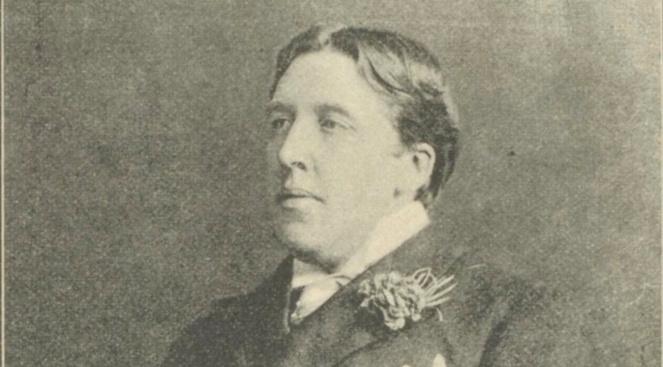
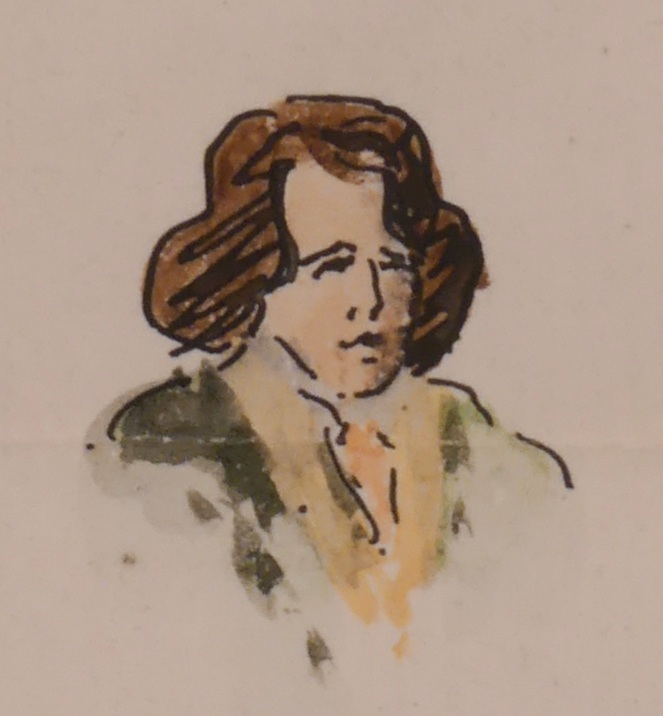
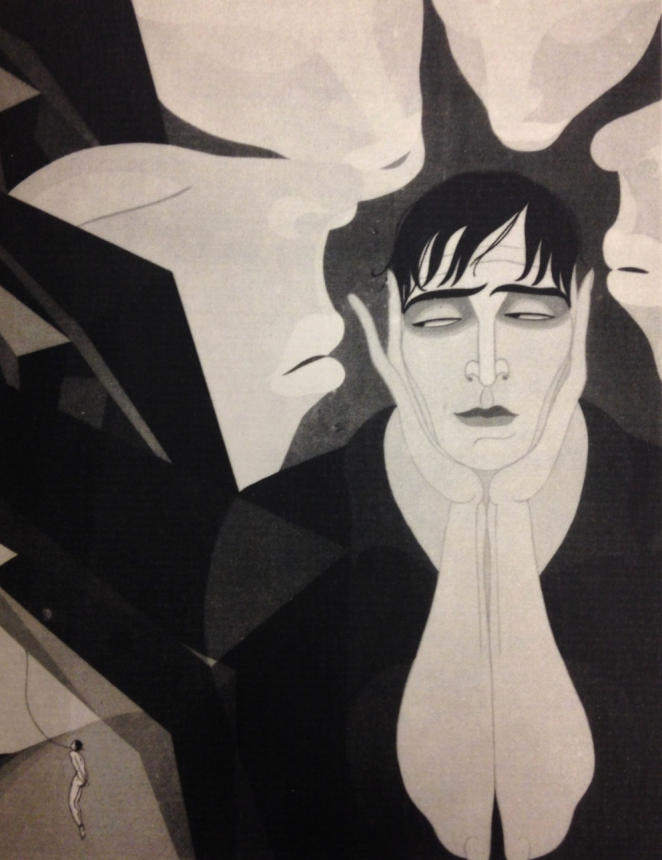
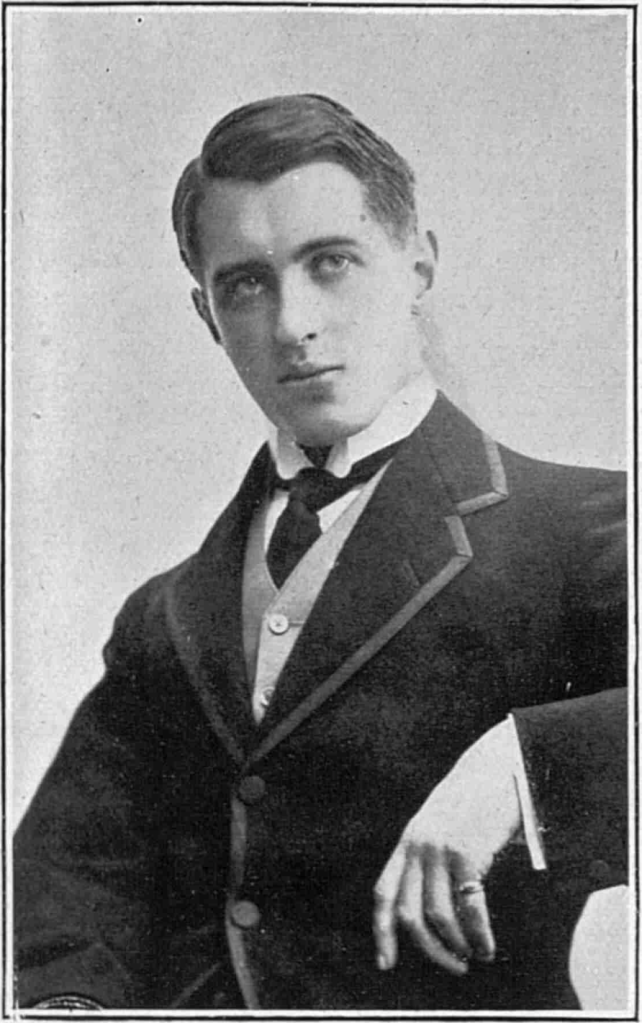
A big thank you to kind users for their private comments about recent posts.
To answer a common question raised: yes, all previous blog article are still available.
Click on the link below to browse, or scroll the carousel at the foot of each post.
© John Cooper, 2024.

Oscar Wilde’s symbolist play Salome is notable for its licentious artwork by Aubrey Beardsley. But Beardsley’s infamous illustrations appeared only when the English edition of the play was released in 1894.
When the original French Salomé had been published a year earlier, it contained no illustrations pertinent to the text. The only graphical representation in the French edition was the Rops Vignette, which had nothing to do with Wilde’s play, but it rivals Beardsley in its decadence.
So what is the Rops Vignette?
Continue reading “The Rops Vignette”
Clay bust of Oscar Wilde, 1914. Numa Patlagean (1888—1961).
Oscar Wilde’s modeling career has been under discussion recently.
I refer, of course, to the art of sculpture, a subject that held a fascination for Oscar: he referenced it in his essays on art, and in his reviews of art galleries; he bought sculptures, commissioned sculptures, and even had his hair styled after a bust of Nero in the Louvre.
Oscar used say that he could only think in stories and correspondingly asserted that a sculptor thinks only in the raw material of his art. He told André Gide, “the sculptor doesn’t try to translate his thought into marble; he thinks in marble, directly”. 1 This thought echoes the symbolism of Oscar’s table talk about a man who thought only in bronze melting down the statue of eternal sadness that adorned his wife’s grave, and making of it a bronze homage to the joy which dwells only in the moment.
Continue reading “Numa Patlagean”